19–25 APR 2027 · 7 Days / 6 Nights
Coastal Photography Tour
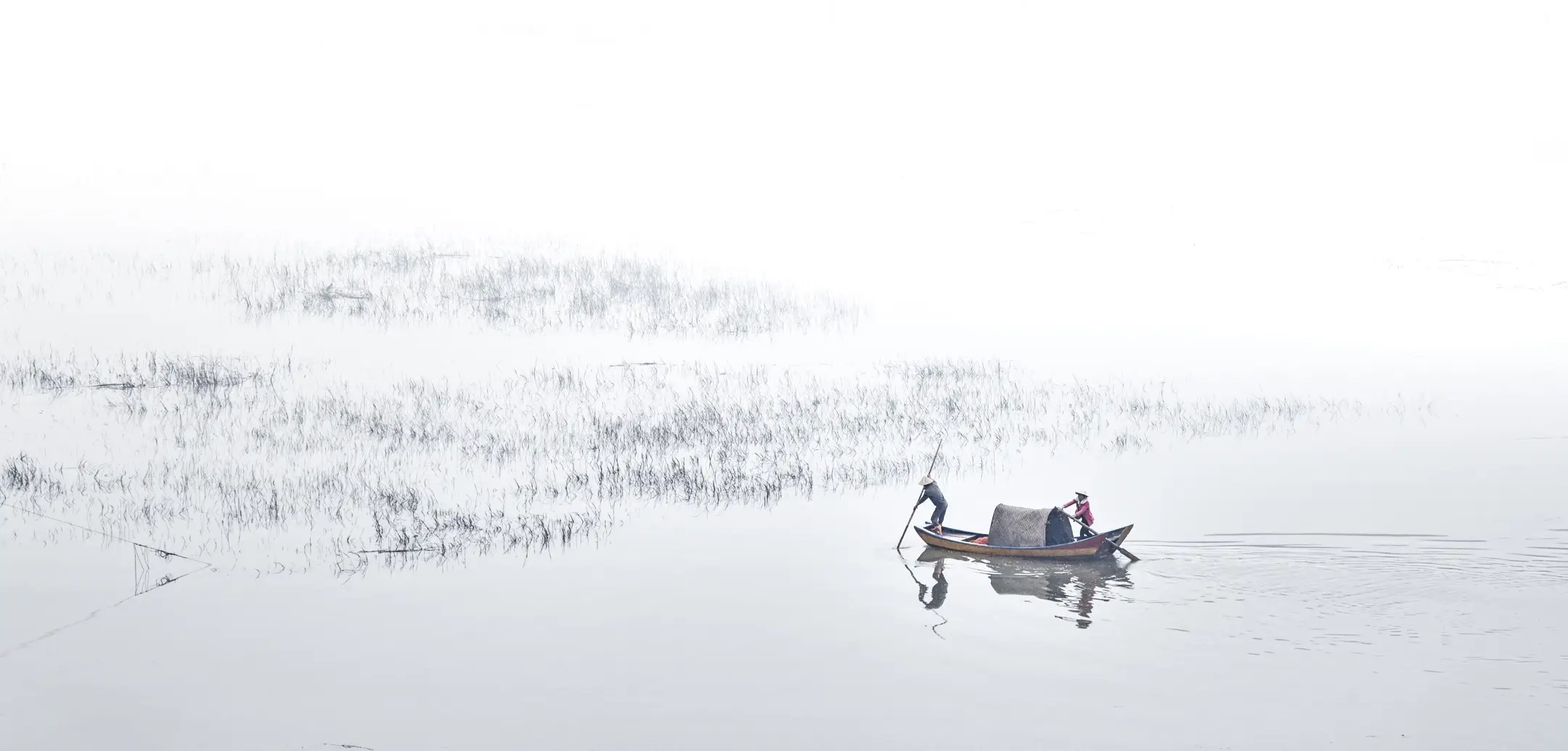
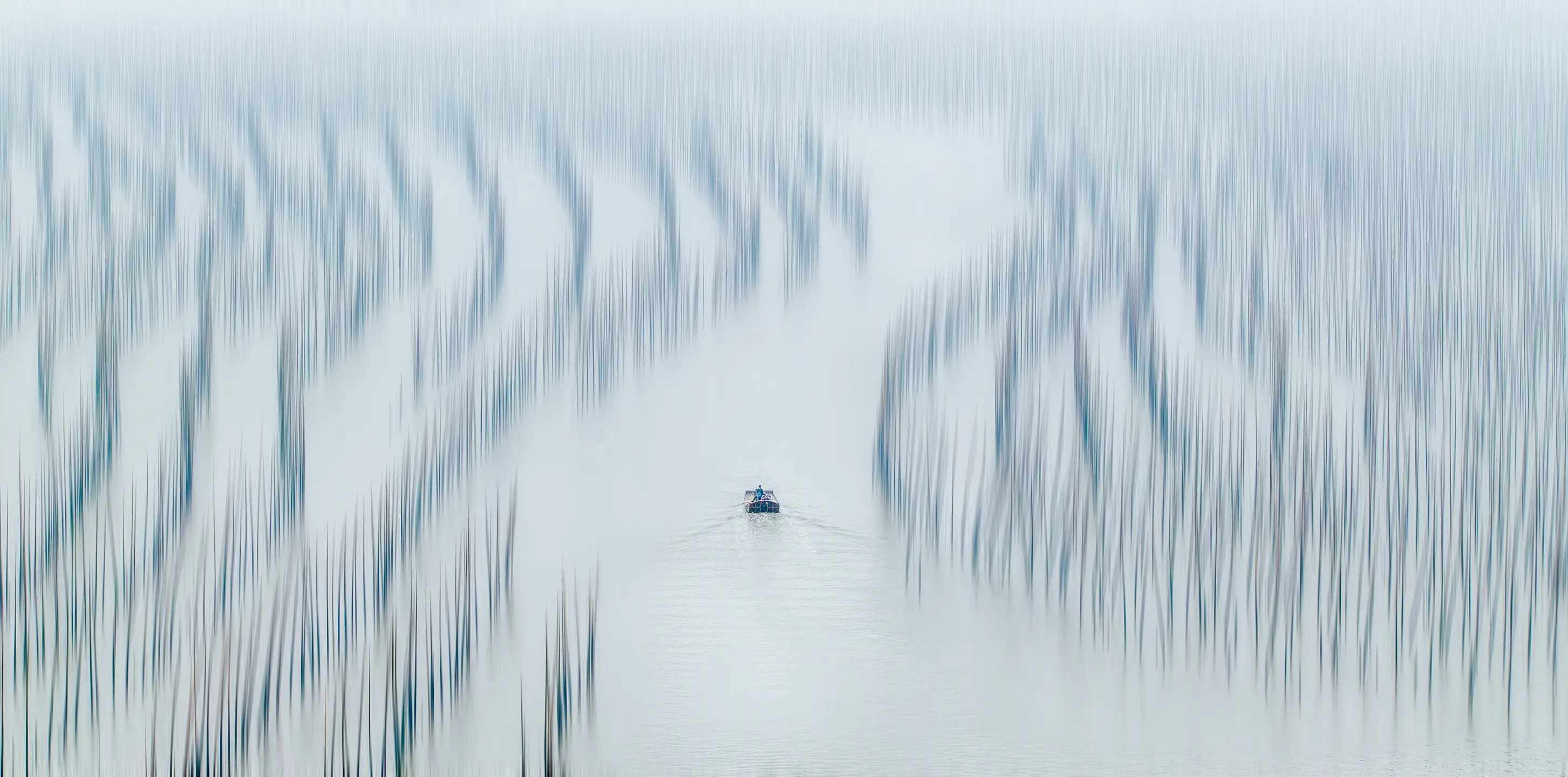
Tides retreat across the mudflats, revealing brief patterns of light before the sea returns to redraw the shore and horizon
About This Tour
Xiapu's beauty gathers in the coming and going of the tide. The water retreats, and the mudflats hold their pattern a moment longer, still wet with the sea. The water returns, and the pattern is gone.
Mud becomes brushstroke, the surface becomes mirror, and bamboo poles, fishing nets, boats, and the people who move among them enter the frame with the changing light of morning and evening — the coast composing itself, line by line, resetting with every tide.
The journey extends beyond the flats. The coastline opens wide, quiet waterways thread through farmland, Hakka roundhouses rise from the hillside, and the She people's villages still hold their old customs.
Along the way there is the sound of the tide, smoke rising from a kitchen fire, seafood pulled from the water that morning, and the steady, unhurried rhythm of people who have always lived this close to the sea.
"The tide comes in, and the coast disappears. It retreats, and the flats return, every trace smoothed away. Xiapu repeats no moment — only the one in front of the lens."
Photography Highlights
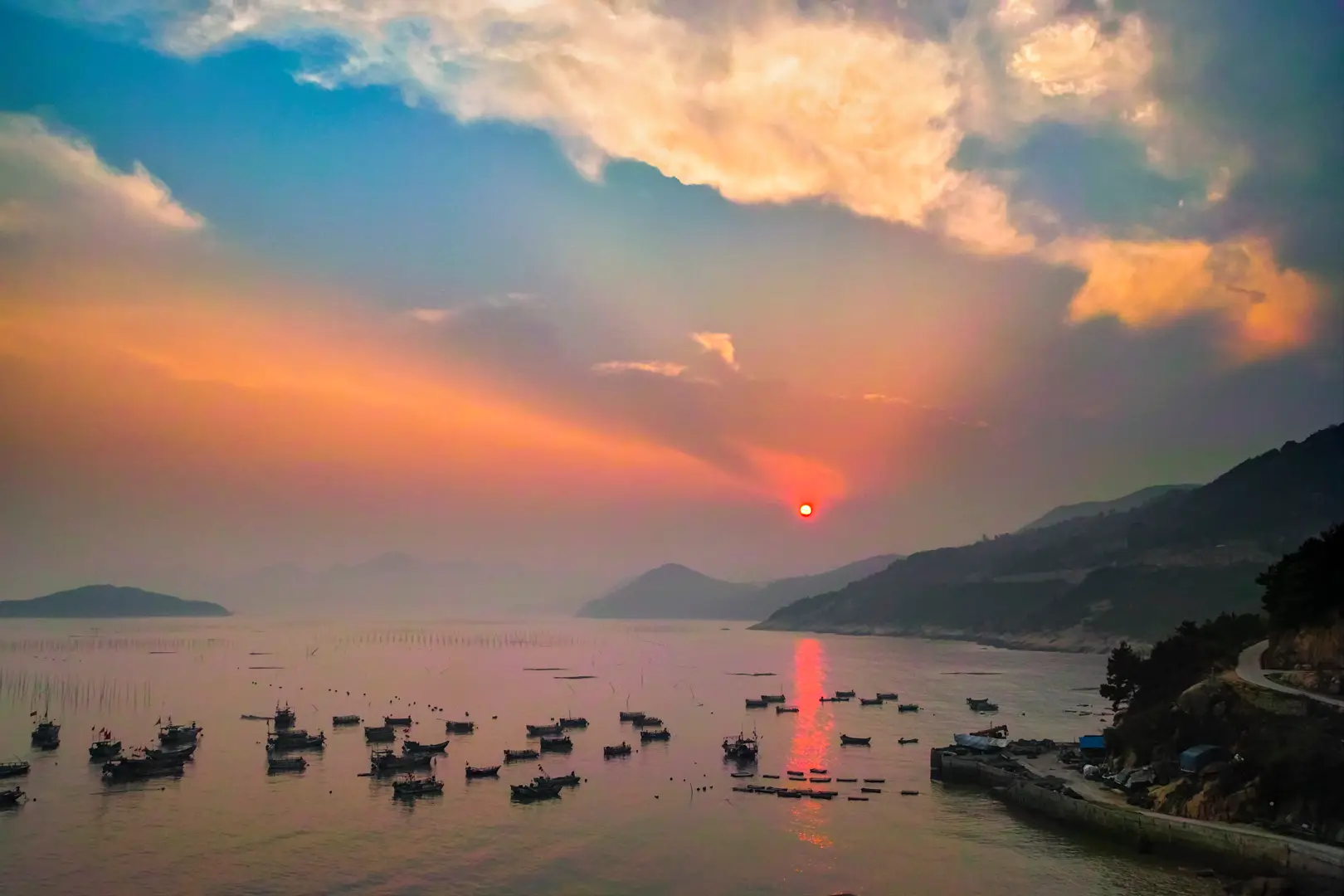
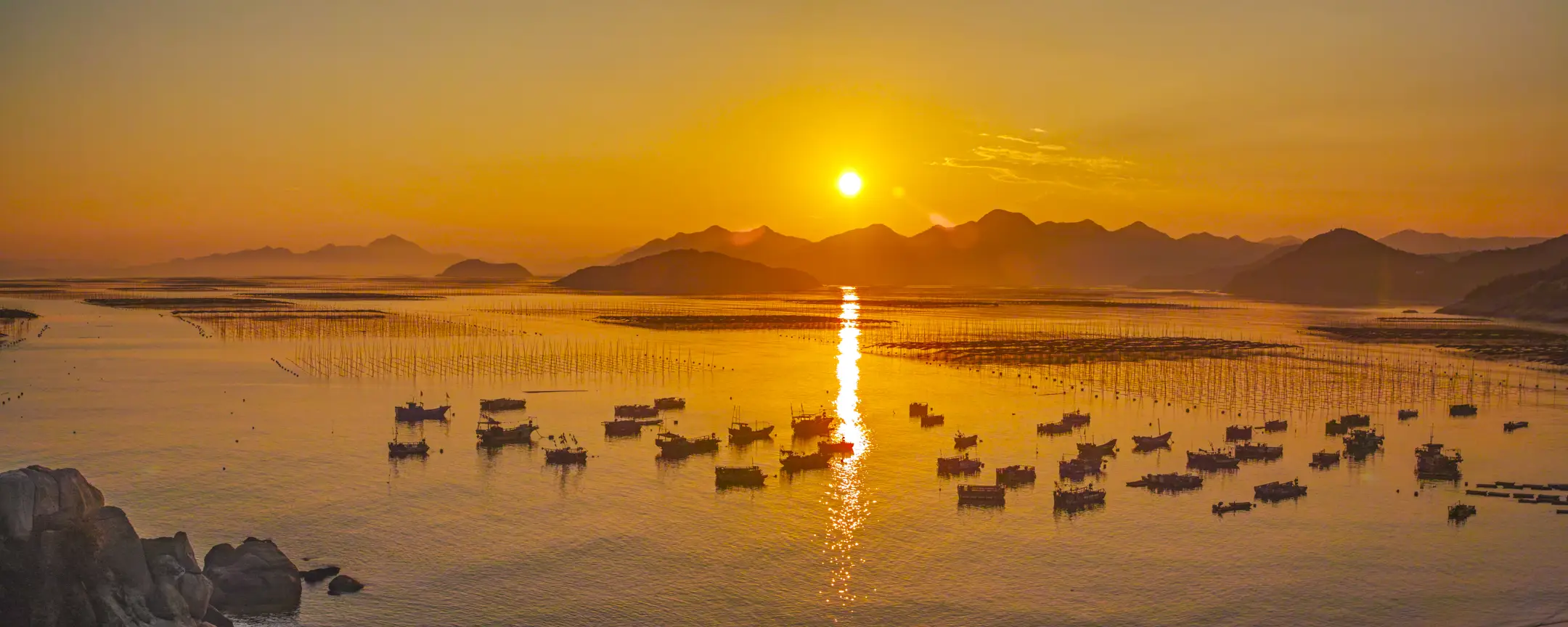
Xiapu's sea shifts with the tide and the hour. In the cool of early morning, boats move slowly between distant, half-seen islands. By dusk, the water deepens in colour, and cloud, sail, and silhouette meet briefly on the surface before the scene changes again. The light builds in layers, the tide sounds close to shore — a sea worth photographing not for its size, but for how differently it breathes.
Xiapu's coast holds as much story in its people as in its water. Fishermen move with the tide, net-menders work with their heads bent low, smoke rises from village kitchens as morning begins, and market sounds drift on the sea air. The dress, customs, and quiet expressions of the She community add another layer entirely. People moving between mountain and sea give the landscape both scale and warmth.
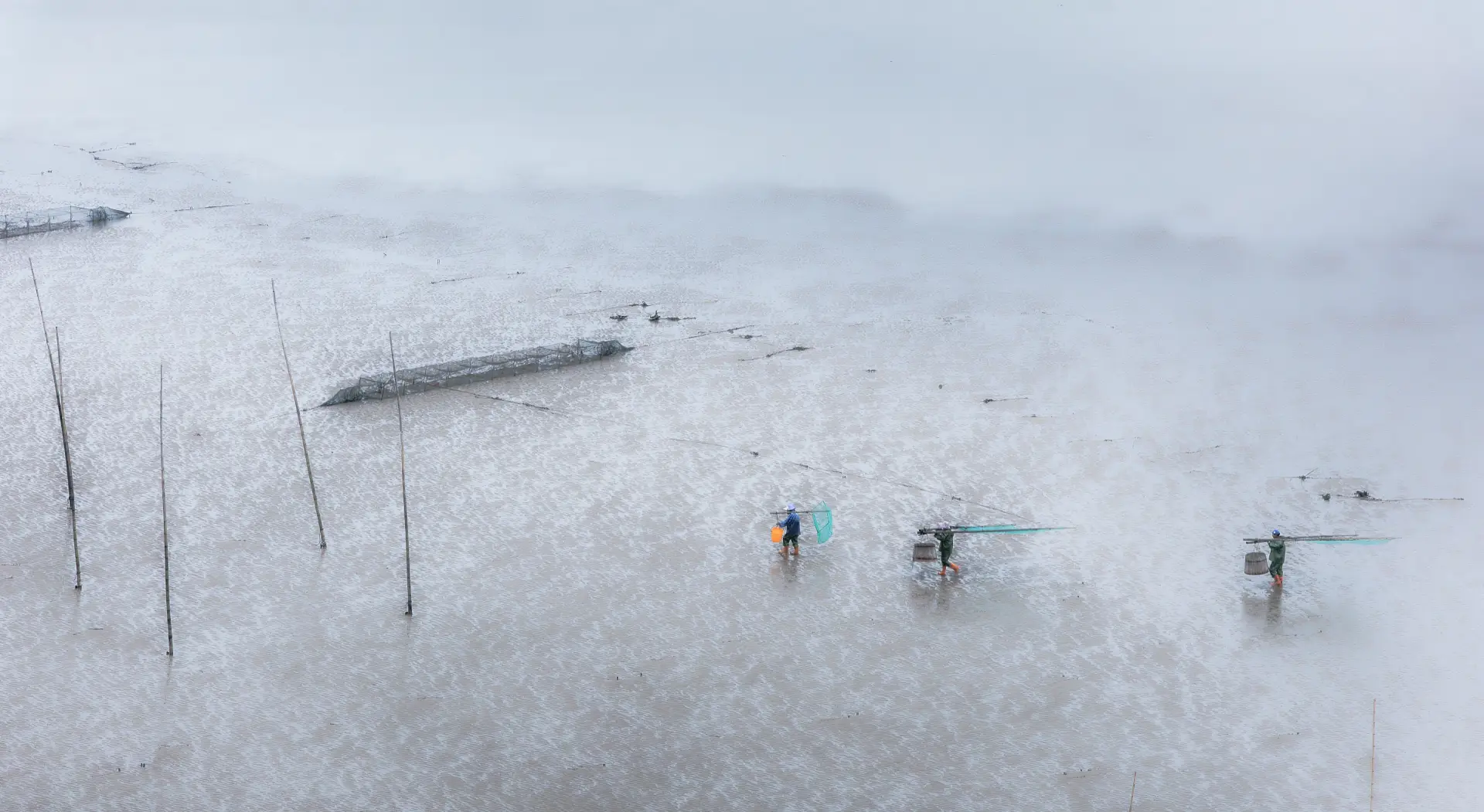
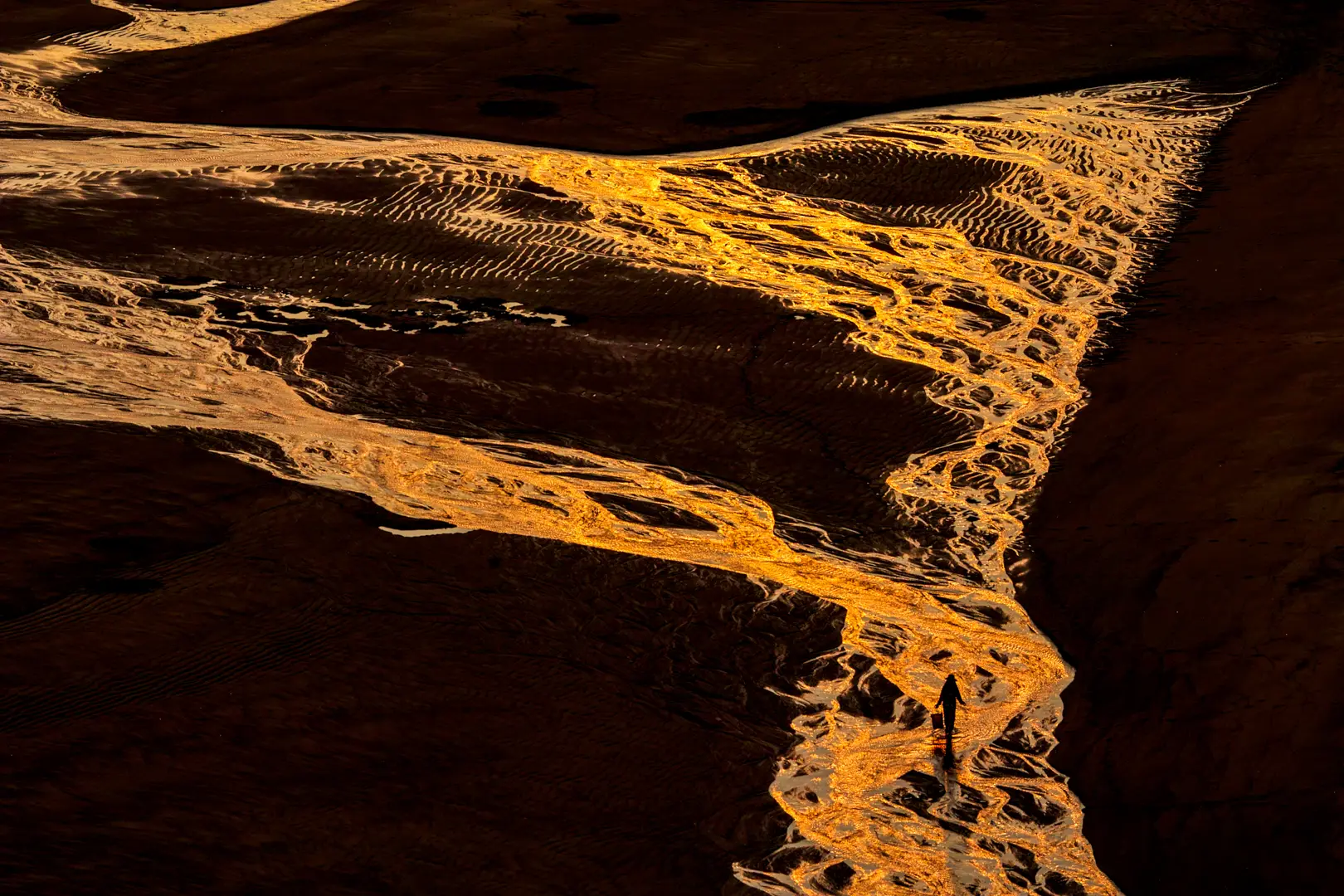
As the water pulls back, Xiapu's mudflats reveal their fine detail — winding channels, open stretches of mud, fishing rafts, bamboo poles, and the scattered figures of people at work. Low light rakes across the surface, deepening the shadows and lifting the highlights, until the coastline resolves into line, layer, and structure. Their beauty is in how the tide's trace and the light pull against each other.
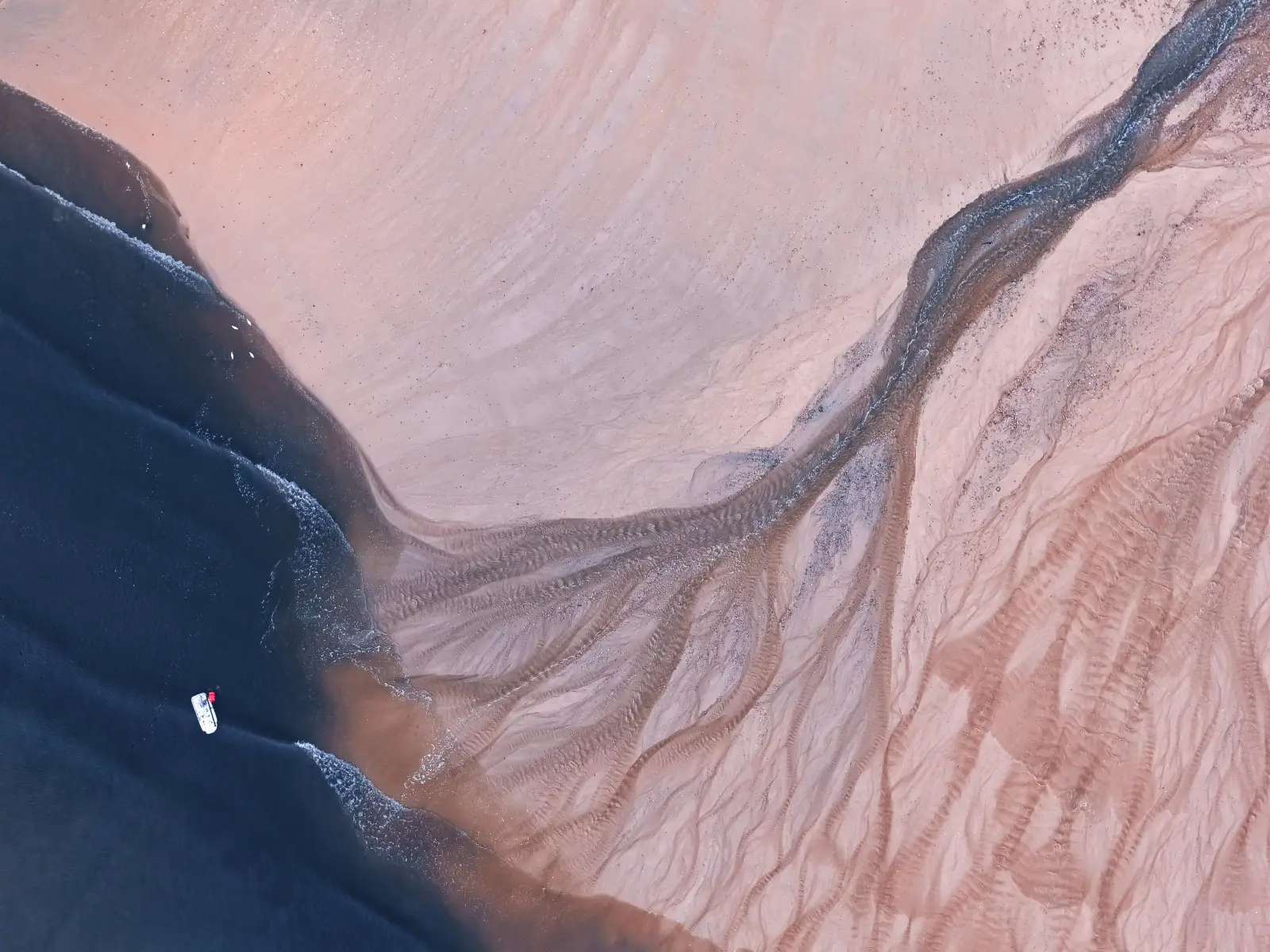
Seen from above, Xiapu's coast reveals an order invisible from the ground. Tidal channels, the texture of the mud, returning boats, and the geometry of the shoreline interlock into new compositions. Waterlines, sand patterns, the dot of a boat, the shadow of a person — all of it reassembles at altitude, and no two falling tides give quite the same frame from one morning to the next. Photo credit: Zheng Ge
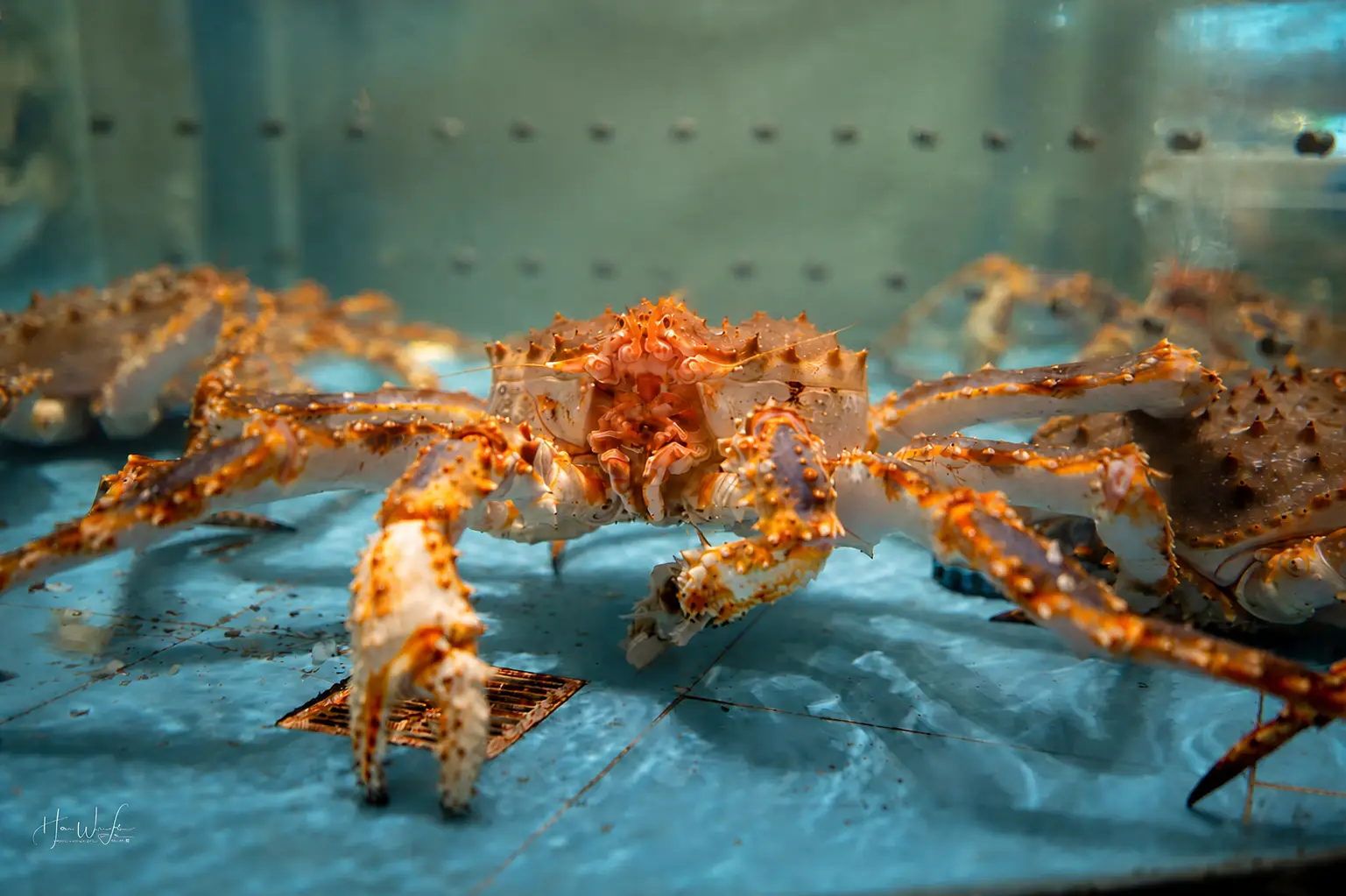
Life by the sea in Xiapu carries its own flavour. In the morning market, fresh fish, shrimp, and shellfish are laid out in succession, the air thick with steam, calling voices, and salt wind — the unfiltered texture of a coastal town. After a day's shoot, sitting down with the group over the day's catch, trading stories about what was seen and what tomorrow's tide might bring, is its own quiet reward. Photo credit: Dr. Lee Han Wei
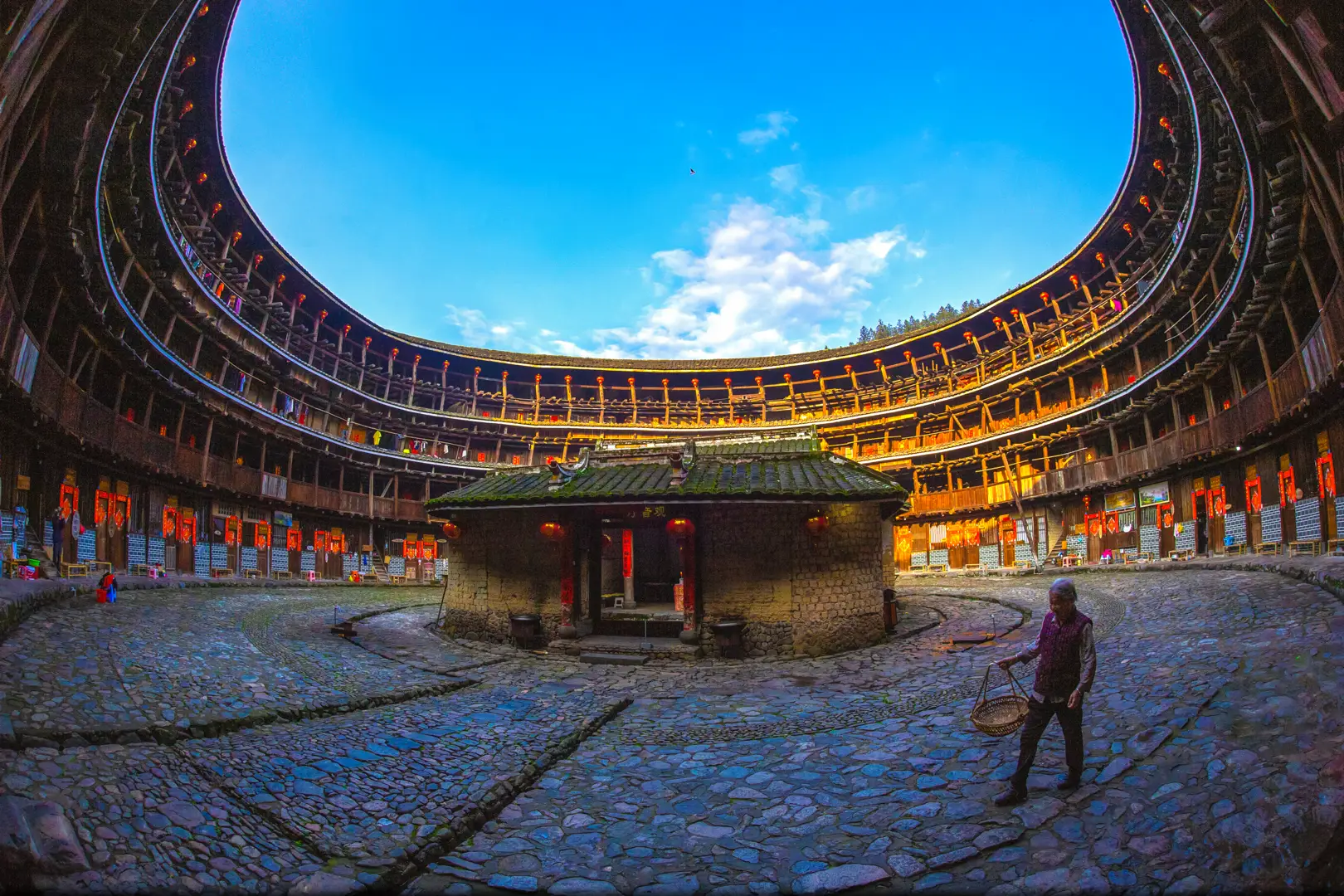
This journey makes a deliberate detour inland to Tianluokeng, one of the great Hakka roundhouses and a recognised piece of world heritage. Round and square forms sit side by side with an old, settled dignity. In the gold light of late afternoon and again after dark, the courtyards and corridors carry the quiet steadiness of generations who have lived there together. Away from the coast, it offers an entirely different chapter of Chinese life.
Your Lead Guide
Since 2011, Steve has returned to Xiapu, season after season, reading its tides, its shifting light, its best vantage points, and the coast's particular rhythm. More than fifteen years of returning have given him a familiarity with this landscape that no guidebook can offer — where to wait for the tide, when to meet the light, which stretch of mudflat will show its pattern at first light, and where the low sun will draw the sharpest lines across the water.
Each journey is shaped around Xiapu's defining images: sea light, the texture of the flats, fishermen and bamboo poles, reflections on still water, boats moving in and out, and the geometry that tide and light trace into the mud at dawn. Drone photography opens a further dimension, taking the group above the tidal channels and coastal lines for a view the ground can't offer.
In the field, at the right moment, Steve guides timing, composition, viewpoint, long-lens technique, aerial perspective, exposure, and the visual logic that turns a scene into a photograph — whether the camera is in hand on the flats or airborne above them.
"The tide, the light, and the position all have their moment. Everything in this journey is arranged so you're there to see it."
A Gift of Appreciation
Each participant receives a personally signed copy of Steve's book, The Light & Mist of Yuan Yang — over two hundred photographs drawn from fifteen years of return visits to the Hani rice terraces of Yunnan.
Xiapu is written by tide and mudflat; Yuan Yang, by mist and terrace. A coastline and a mountainside — two landscapes shaped by years of the same patient eye. A keepsake worth carrying home.
"Take home a book — and a journey that cannot be repeated."
Join the Expedition
Limited seats, reserved for those who come ready to work the light
This journey moves with the tide and follows the light — from the first pattern in the mudflats to boats returning at dusk, from roundhouses on the hillside to the old customs still kept in She villages, to the sea wind moving through a quiet lane. Travelling in a small group means every participant has the time, the space, and the guidance the moment calls for
Full itinerary · Pricing