中文
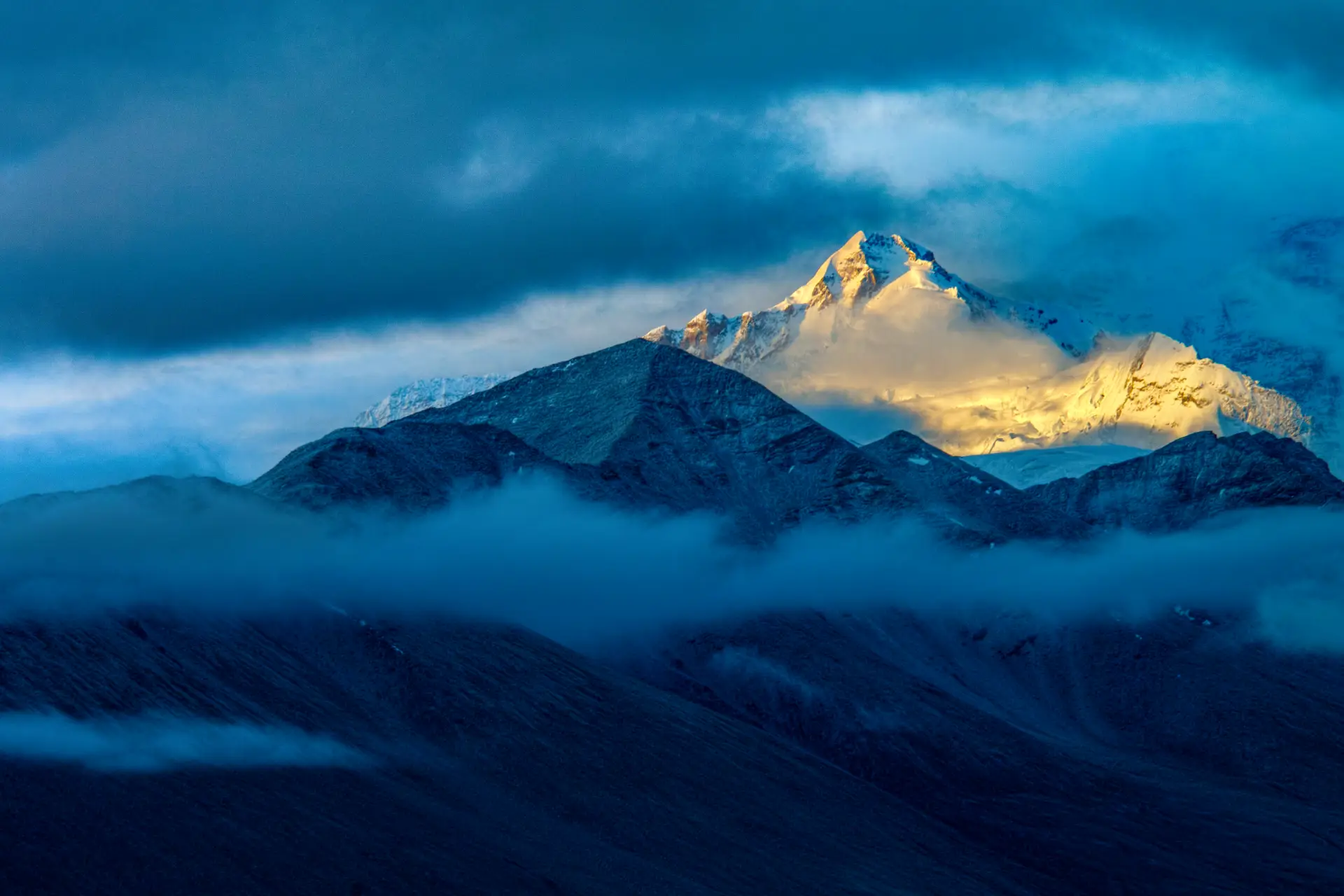
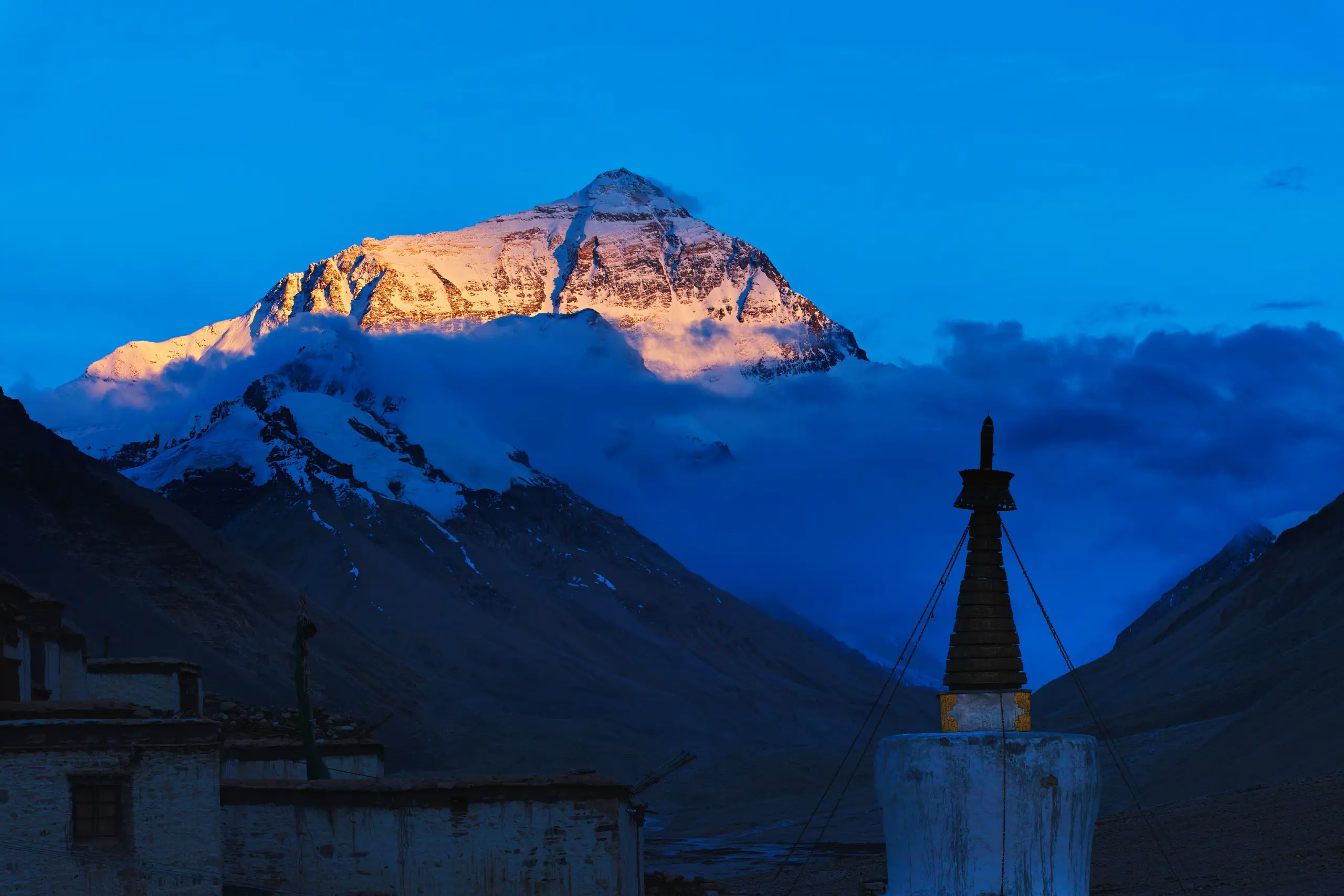
Mount Everest and monastery at dusk, Tibet
The Roof of the World

TIBET

TIBETANS · EVEREST · DEVOTION

09–24 SEP 2027  ·  16 Days / 15 Nights

Tibet Photography Expedition

Across Tibet's high plateau, sacred streets, remote lakes, Guge ruins, Everest and Kailash shape a journey of light, altitude and devotion

The plateau that
humbles the sky

Tibet carries its character quietly. The air thins, the distances stretch beyond what the eye can measure, and the light, when it arrives, lands with a force few landscapes can match. At 4,500 metres, colour behaves on its own terms — shadows fall deeper, the sky takes on a blue rarely seen elsewhere, and even silence seems to carry weight.

The Ngari South–North Route is one of the great photography journeys on earth. It begins in the sacred streets of Lhasa, moves south along the Himalayas to Everest Base Camp and Mount Kailash, then turns north through the remote lake country of the plateau — Zhari Namco, Tangra Yumco, Siling Tso, and finally Namtso — before returning to Lhasa.

Autumn is the ideal month. The monsoon has lifted, the skies are clear, and the autumn light falls low and golden across the plateau. Snow returns to the high peaks, the lakes hold their most vivid colour of the year, and Tibetan antelope are often visible along the Northern Route grasslands.

This is a sustained encounter with one of the most visually compelling and culturally rich places on earth, guided by someone who has made this journey many times before.

"There is nowhere on earth where the light lands quite like this. Autumn on the Tibetan Plateau — the sky wider than you imagined, the peaks closer than they should be, and every dawn a reminder that some places exist beyond the reach of ordinary life."

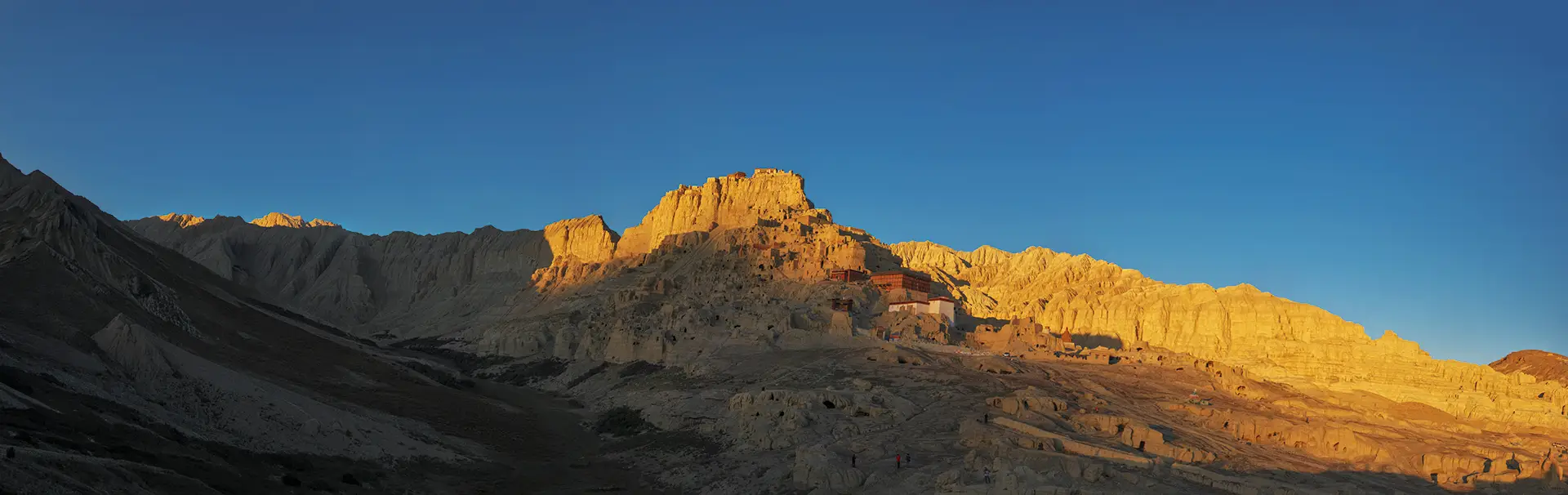
Guge Kingdom ruins at sunrise, western Tibet

What Awaits
the Lens

Tibetan Landscape

The Landscape

Tibet’s terrain refuses to settle into one character. Open grassland gives way to Himalayan ridgelines, cliff valleys open onto ancient ruins, and the folded earth formations of Zanda rise from the plain — each day reshaping the space around the lens.

Portraits and Human Interest

Portraits & Human Interest

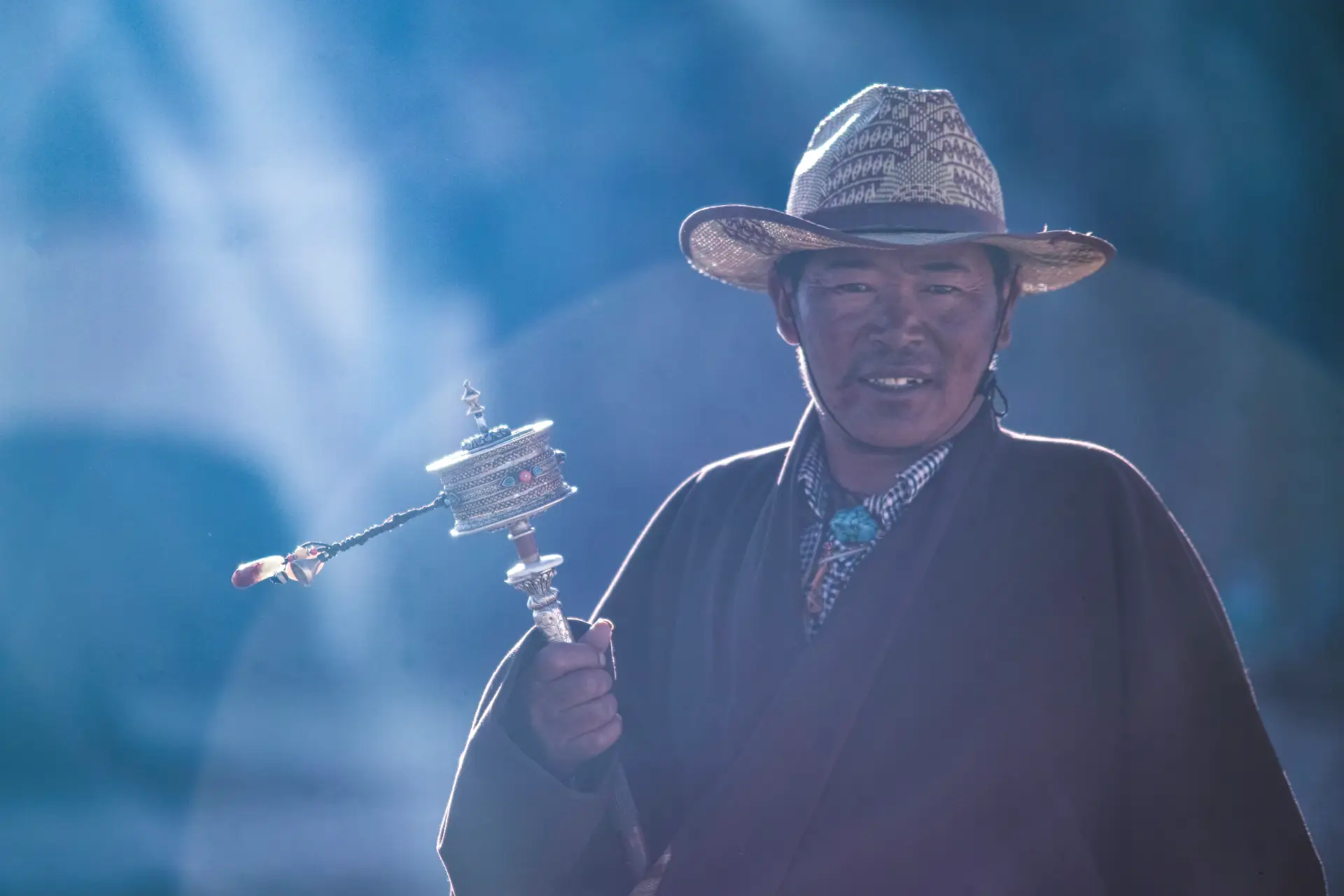
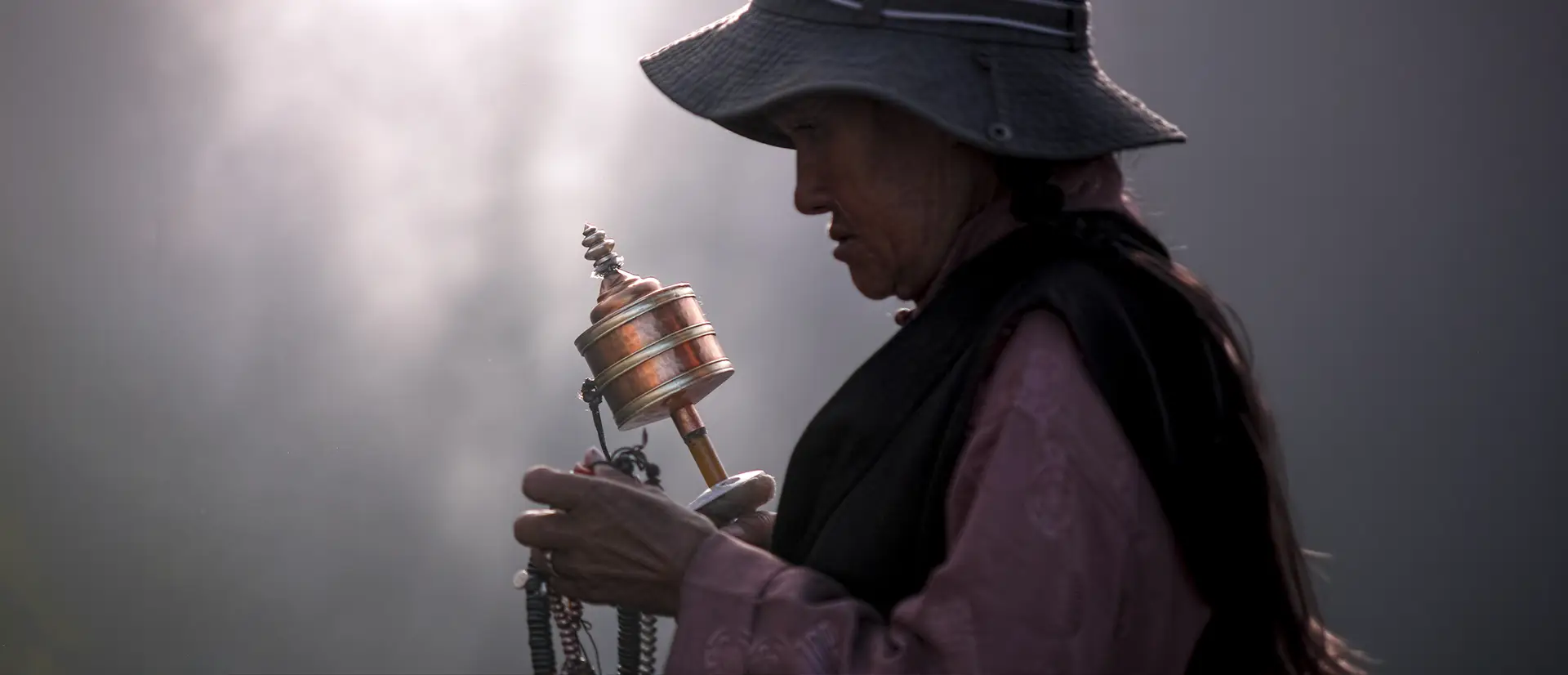
Tibetan faces hold a stillness that the camera notices first. Daily life in Lhasa’s lanes, pilgrims circling the Barkhor, roadside villages, and nomadic herders on the grassland each offer a quiet, unhurried kind of portrait — patient rather than posed.

Potala Palace and Sacred Architecture

Sacred Architecture

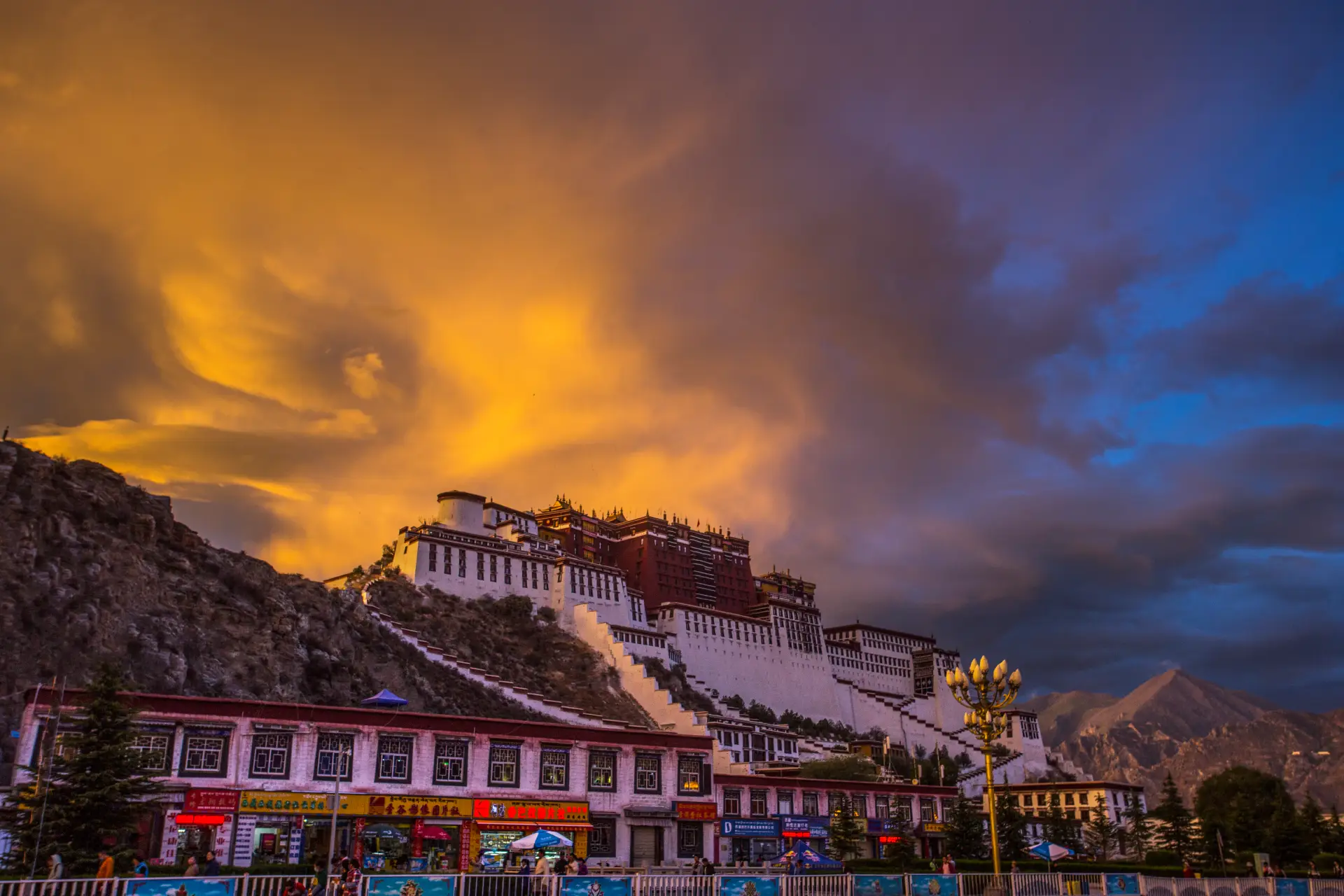
The Potala Palace, Jokhang Temple, Barkhor Street, Tholing Monastery, and the ruins of the Guge Kingdom trace a single thread of devotion and history across the journey — from the order of Lhasa’s sacred city to the silence of the western ruins.

Tibetan Culture and Devotion

Culture & Devotion

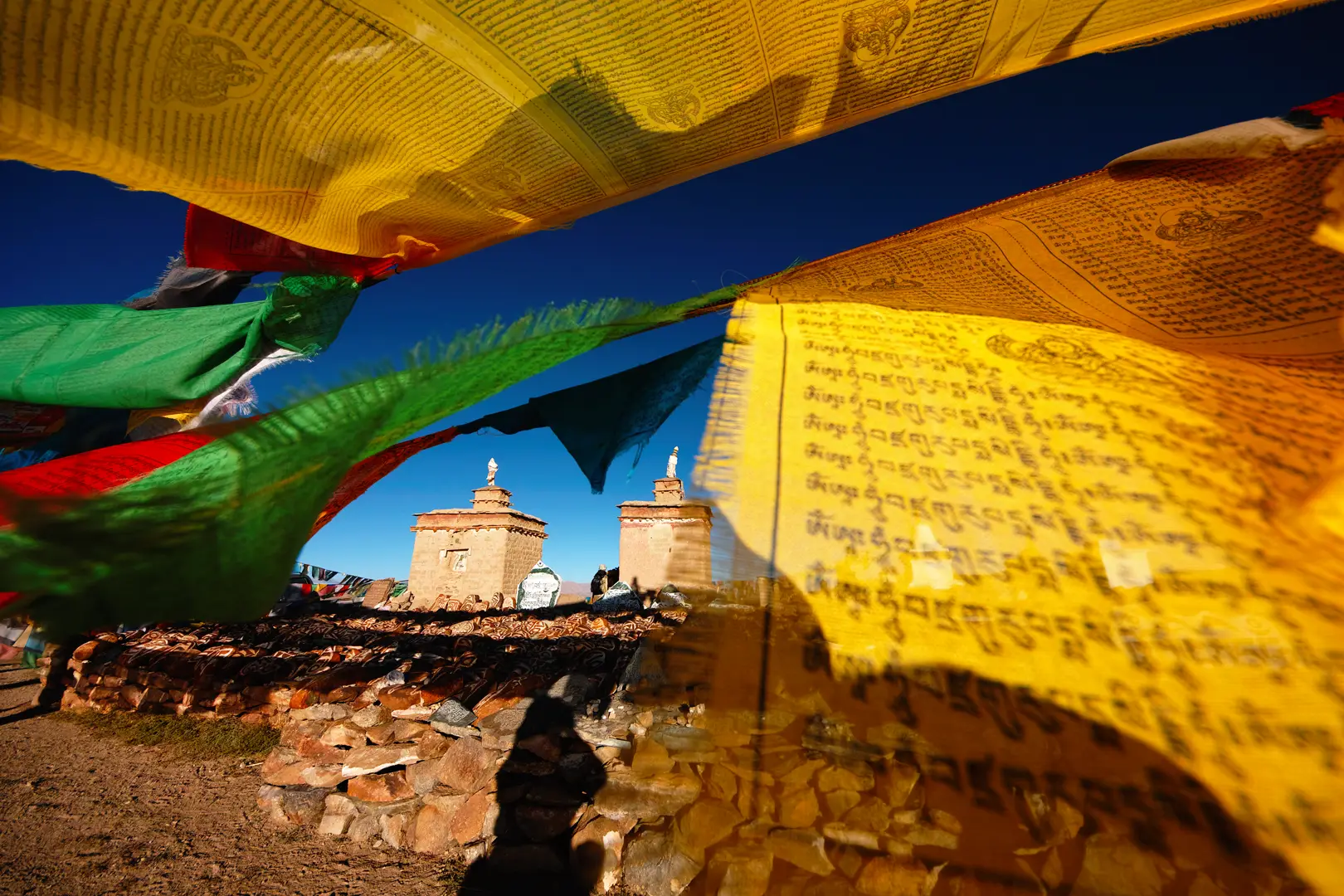
Prayer flags shift in the wind, prayer wheels turn beneath worn hands, and the bell of a monastery folds into the footsteps of the street below. Faith here isn’t a performance — it moves through daily life, asking only patience of the lens.

The Light over Tibet

The Light

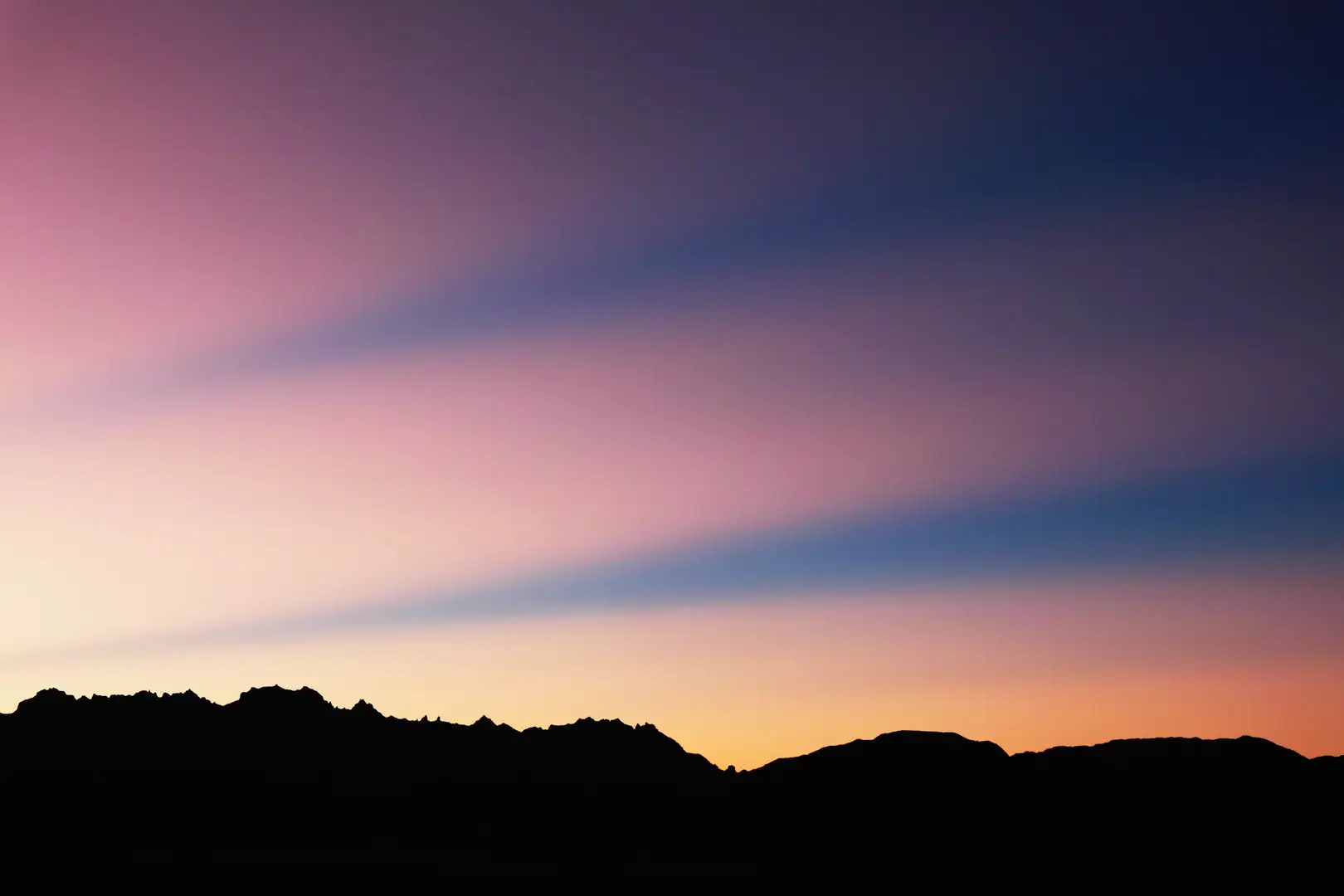
At this altitude, under skies this open, light takes on a clarity rarely found elsewhere. Sunrise breaking over Everest, gold hour settling on the Zanda earth forest, the low Autumn sun crossing the northern lakes — each moment redraws the plateau.

Turquoise Lakes of Tibet

Turquoise Lakes

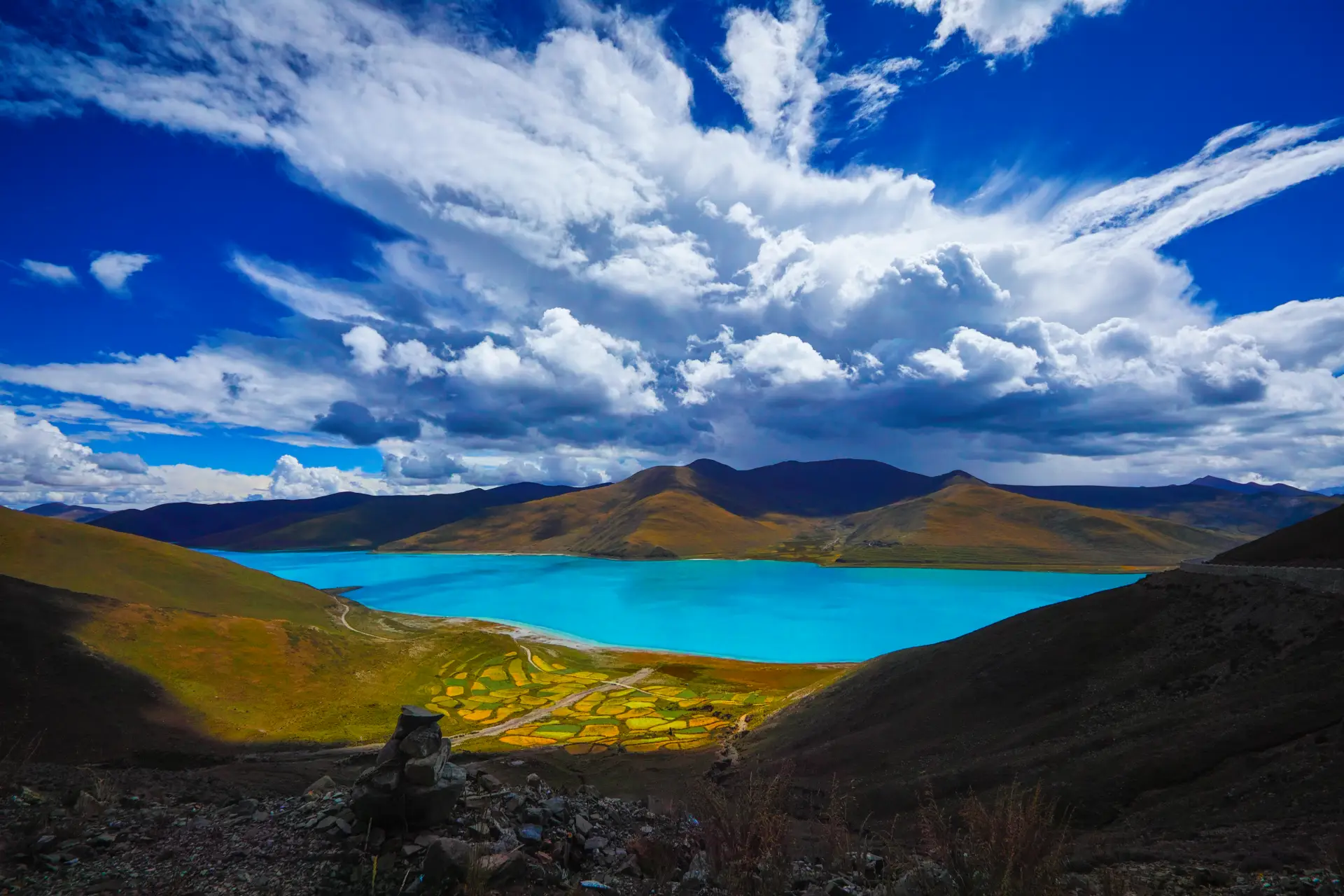
Namtso, Yamdrok, Tangra Yumco, Siling Tso, Peku Tso — each lake shifts between blue and turquoise as cloud, wind, and altitude move across it. On a still morning, snow peaks settle into the water as though they had always been there.

Tibetan pilgrim silhouetted on a monastery bridge

Experience
with the
Lead Guide

Steve has travelled the full length of Tibet’s Ngari South–North Route many times over, including the remote KeKeXiLi grasslands, building a close understanding of the plateau’s light, its seasonal rhythm, and the photographic depth held in each place along this sixteen-day route.

In the field, Steve guides participants through composition, vantage point, and the timing of light, along with the cultural sensitivity and observational restraint that portrait and human-interest photography in Tibet calls for.

Each day opens onto different terrain — sacred streets, Himalayan passes, ancient ruins, high plateau lakes, open grassland where wildlife moves freely. Steve's familiarity with the route means the group is consistently in the right place, at the right hour, watching the light arrive.

"Just as we were about to leave, a single beam of light climbed from the foot of Everest to its summit. We stood there in silence before raising our cameras, overwhelmed by a moment none of us will ever forget."
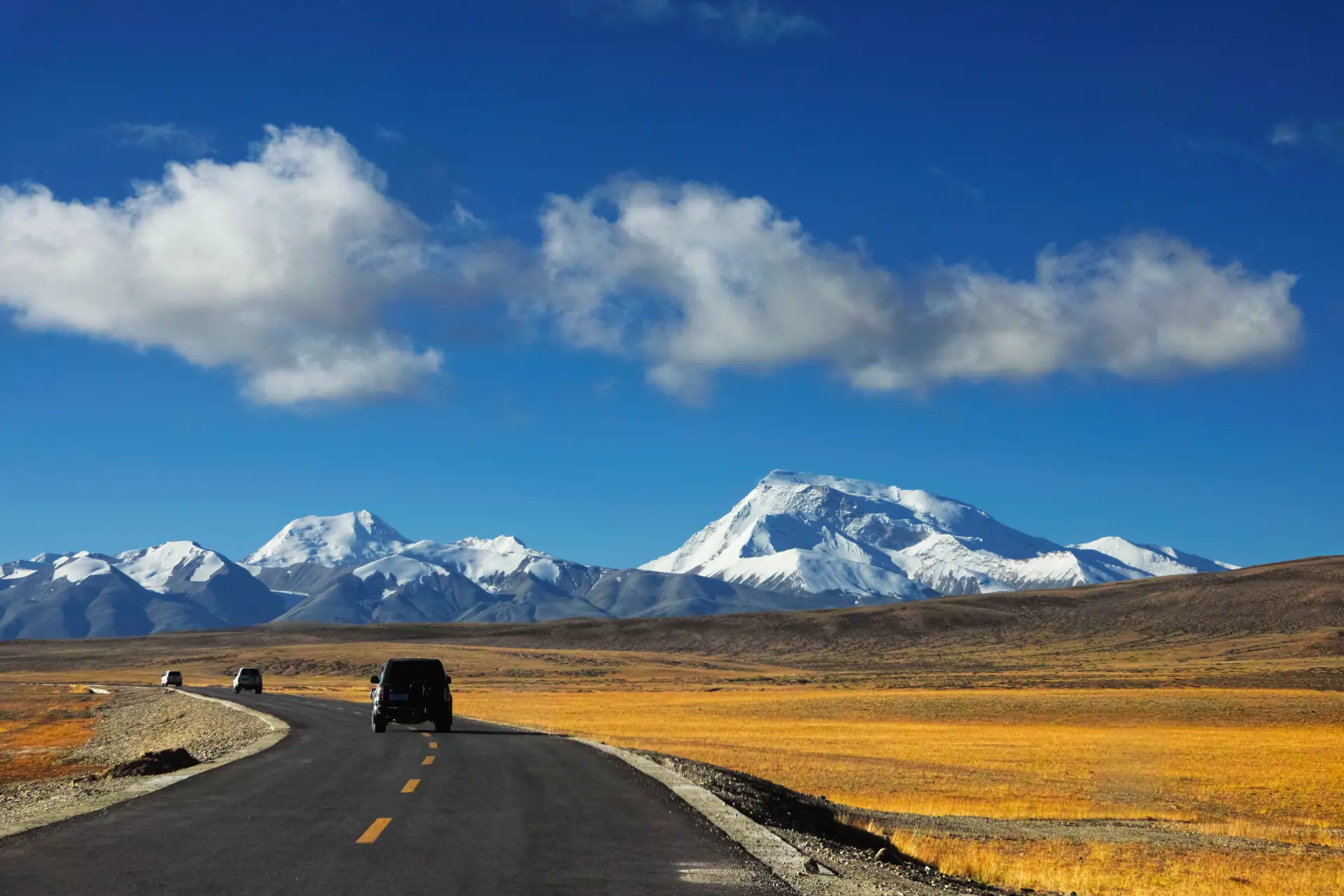
Open road across the Tibetan plateau toward snow peaks
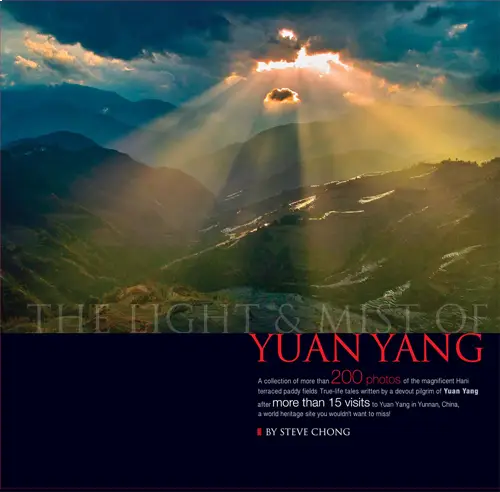
The Light and Mist of Yuan Yang — by Steve Chong

A Gift of Light

Each participant receives a personally signed copy of Steve’s book, The Light & Mist of Yuan Yang — more than two hundred photographs from over fifteen visits to the Hani terraced fields of Yunnan, China.

A keepsake of the journey, and a quiet reflection of the vision behind it — Steve’s own way of thanking everyone who joins him in the field.

"Tibet and Yuan Yang share something uncommon — a quality of light and stillness that stays with you long after you've come home. Take home a book, and a journey that cannot be replicated."

Before You Book

Health & Physical Condition

Tibet's average altitude exceeds 4,000 metres, with some locations reaching above 5,000 metres. Participants with cardiac conditions, respiratory conditions, or other serious health concerns are advised not to join this expedition. The organiser shall not be held responsible for any health-related outcomes arising from participation in this tour. Participants join at their own discretion and are encouraged to consult a medical professional before registering.

Flights & Travel

All flights are the participant's personal responsibility. Suggested flights are for planning guidance only. Participants must verify schedules and book independently to ensure timely arrival in Chengdu on 09 September 2027.

Inbound Flight to Lhasa

Steve will advise on the inbound flight from Chengdu to Lhasa as soon as the flight schedules are available.

China Visa & Tibet Entry Permit

A Chinese Visa may be required depending on your nationality — please verify with the nearest Chinese Embassy or consulate well in advance. The Tibet Entry Permit will be handled as part of the group arrangement.

Weather & Itinerary Flexibility

The itinerary is subject to change based on weather conditions and the field situation. Tibet's high-altitude environment is dynamic and unpredictable. Flexibility is an essential part of photography at this altitude.

Travel Insurance

Travel insurance is strongly recommended. Coverage should include trip cancellation, medical emergencies, high-altitude illness, and equipment loss or damage.

Accuracy Notice

Tour details, flight suggestions, and programme information are accurate at time of publication and subject to change. Participants will be notified of any material updates before departure.

Essential Preparation Guide

Tibet is one of the highest plateau regions in the world, so the air contains less oxygen than at sea level. Altitude sickness, also called Acute Mountain Sickness, can affect anyone. Common symptoms include headache, dizziness, shortness of breath, unusual tiredness, poor sleep, or nausea. Take symptoms seriously, rest, drink fluids, avoid rushing, and inform the guide if you feel unwell. Supplementary oxygen may be used in emergencies, but it is not a substitute for proper acclimatization or medical care.

Travelers with certain pre-existing medical conditions should consult a healthcare professional before booking. This is especially important for people with serious heart conditions, uncontrolled high blood pressure, significant lung disease, severe anemia, or any condition that may worsen in a low-oxygen environment. Each traveler is responsible for checking whether the trip is medically suitable for them.

Some travelers may be advised by their doctor to take medication to help prevent or manage altitude sickness, especially when traveling to very high-altitude areas. However, this is not something everyone should take automatically. Before the trip, consult your own doctor or travel clinic and explain that you will be visiting Tibet, one of the highest plateau regions in the world. Your doctor can advise whether altitude medication is suitable for you based on your health condition, allergies, current medications, and travel itinerary. Do not start altitude medication on your own without medical advice. During the trip, if you feel unwell, inform the tour leader or guide immediately rather than trying to manage the symptoms quietly.

Before the trip, build general stamina through regular walking, hiking, cycling, swimming, or other moderate cardiovascular exercise. Light strength training for the legs and core can also help with uneven ground, stairs, and long sightseeing days. Preparation improves comfort, but fitness does not guarantee protection from altitude sickness, so acclimatization and caution are still essential.

Move slowly and deliberately, especially during the first few days. Avoid running, rushing up stairs, strenuous exercise, or sudden intense activity. Even simple walking may feel harder than usual. Give your body time to adjust, rest when needed, and tell the guide if you feel short of breath, dizzy, unusually weak, or unwell.

Hydration is important at high altitude. Drink water regularly, and consider electrolyte drinks or warm non-alcoholic drinks when needed. It is wise to limit caffeine if it affects your sleep, hydration, or heart rate. Alcohol should be avoided or kept to a minimum because it can worsen dehydration, disturb sleep, and make altitude-related symptoms harder to recognize.

Drink bottled, boiled, or purified water. Be careful with raw vegetables, uncooked foods, and food from places that do not look clean. Bring any personal medication you need, plus a basic travel kit for common issues such as headaches, stomach upset, minor cuts, and dehydration. Anyone with allergies or dietary restrictions should inform the organizer and guide in advance.

You should arrange comprehensive travel insurance before the trip. Because Tibet involves high altitude, remote areas, long drives, and limited medical facilities in some places, ordinary travel insurance may not be enough. Please check that your policy covers high-altitude travel, medical treatment, emergency evacuation, hospitalization, trip cancellation or interruption, and delays. It is also important to check the altitude limit in your policy, as some insurance plans exclude activities or travel above a certain elevation. Bring a printed and digital copy of your insurance policy, emergency hotline, policy number, and contact details. Keep this information with you during the tour, not only in your main luggage.

Yes. Travelers normally require a Tibet Entry Permit, arranged through a registered travel agency. Additional permits may be required for certain regions. Permit requirements can depend on the route, nationality, and current regulations, so travelers should follow the organizer's and travel agency's instructions closely.

Mid-Autumn can offer clear skies and excellent mountain views, but temperatures can drop sharply, especially at night and in higher areas. Pack warm layers, thermal clothing, a down or insulated jacket, gloves, a warm hat, and comfortable walking shoes. Sun protection is also important because UV exposure can be strong at altitude.

In Lhasa and larger towns, hotels may be relatively comfortable and have modern facilities. In remote areas, accommodation can be simpler, with limited heating, basic rooms, shared facilities, or inconsistent hot water. Food choices may also become limited outside major towns, so travelers should be flexible and prepared for simple meals.

Yes. In some remote or high-altitude areas, restaurants or fresh ingredients may not be available. The guide may advise travelers to rely on instant noodles, packet rice, or similar easy-to-prepare food. These options are practical because they are lightweight, non-perishable, and can be prepared with hot water. Bring personal snacks if you have dietary needs or prefer extra variety.

Facilities vary greatly. Larger cities may have Western-style toilets, while remote areas often have basic squat toilets. Toilet paper, soap, and hand sanitizer may not be provided, so carry your own toilet paper, wet wipes, hand sanitizer, and small disposal bags. During long drives in very remote areas, formal toilets may not be available for hours.

Yes. On long remote stretches, travelers may occasionally need to use a discreet outdoor spot when no formal restroom is available. Follow the guide's instructions, respect local surroundings, and carry out used tissue or wipes in a sealed bag whenever possible.

Show respect at all religious and cultural sites. Dress modestly, walk clockwise around monasteries, stupas, and prayer sites, and ask before taking photos of people or inside temples. Avoid touching anyone on the head. Do not step over prayer flags, religious objects, or Mani stones. When pointing, use your whole hand rather than one finger.

This FAQ provides general travel guidance only and is not medical advice. Travelers with health concerns should speak with a healthcare professional before joining a high-altitude trip. Follow the instructions of the tour leader and local guide throughout the journey.

Small Group

Demanding terrain, reserved for the few

The remoteness of the route, the demands of altitude, and the closeness required for honest portrait work all call for a format where every photographer has room, guidance, and time. Sixteen days at altitude, in pursuit of images that don't come easily anywhere else

Full itinerary · Pricing